

Why This Place Stays With You
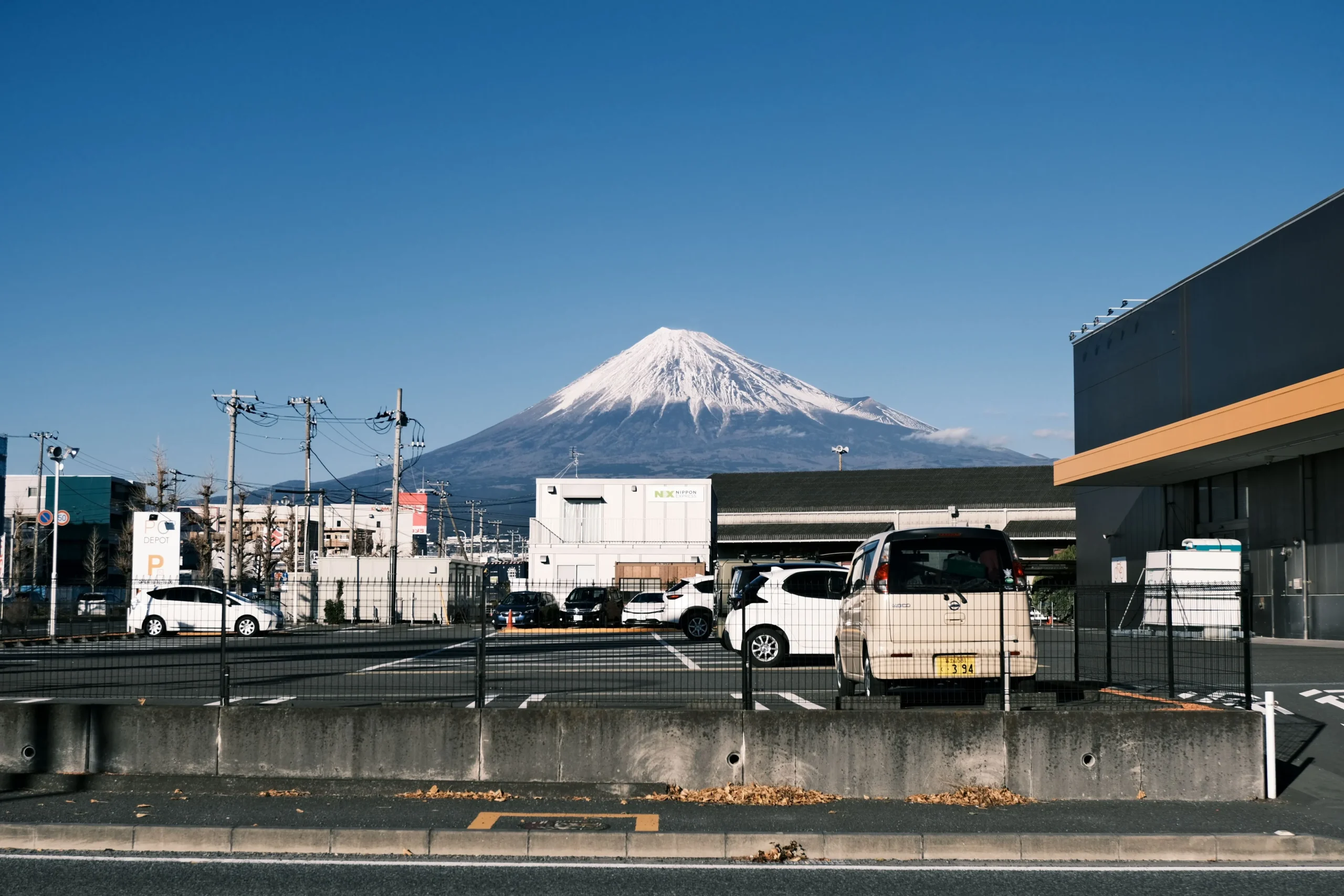
Japan is one of those places that settles into your memory in a way you don’t expect. It’s not just the temples or the neon lights or the food, it’s the feeling of being there. The way the mornings in Kyoto feel is almost sacred, with mist hanging low over temple roofs and bamboo rustling in the breeze. The way Tokyo, despite its size and speed, somehow feels gentle, a city that moves quickly but never pushes you. And the way Kyushu surprises you with its warmth, its landscapes, its slow, soulful rhythm. It’s the kind of place that makes a Japan travel guide feel deeply personal, built from small, quiet moments rather than big, dramatic ones.
Every time I return, I’m reminded of how beautifully Japan balances contrasts. One moment you’re standing in front of a thousand red torii gates glowing in the early light, and the next you’re in a quiet café in Shibuya sipping a perfect cup of coffee while the world hums softly outside. It’s a place where ancient rituals live comfortably beside futuristic skylines, where small details matter, and where even the simplest experiences, a bowl of ramen, a walk through a garden, a train ride, feel meaningful.
What makes Japan even more appealing right now is how accessible it is for Australians. The exchange rate is incredibly favourable, the flights are easy, and the country itself is safe, clean, and wonderfully organised. Whether you’re wandering through Tokyo’s bright neighbourhoods, exploring Kyoto’s timeless streets, or soaking in an onsen in Kyushu, Japan has a way of making you feel both grounded and inspired at the same time.
It’s a destination that stays with you not because of one big moment, but because of the hundreds of small, beautiful ones.
What stays with you, and what shapes this Japan travel guide, are the gentle contrasts, the rituals, and the calm beauty woven into everyday life.
Suggested Itineraries
This is the single highest-value addition. The page’s own FAQ says 10–14 days is ideal for a first trip, but never shows one. Adding sample itineraries gives readers something to screenshot/pin and gives you three new internal contexts to drop affiliate tour links (Klook/Viator/GetYourGuide).
7-Day Tokyo & Kyoto Express
For travellers with limited time who want the two icons of Japan without the rush.
| Day | Base | Focus |
| 1–3 | Tokyo | Arrival, Shibuya, Meiji Shrine, Asakusa, TeamLab Planets |
| 4 | Hakone (day trip) | Mt Fuji views, Lake Ashi, onsen town |
| 5–7 | Kyoto | Fushimi Inari at sunrise, Arashiyama bamboo grove, Gion |
10-Day Classic Honshu Loop
The most requested length — enough time to add Osaka and Nara without feeling rushed.
| Day | Base | Focus |
| 1–4 | Tokyo | City neighbourhoods, day trip to Nikko or Kamakura |
| 5–6 | Kyoto | Fushimi Inari, Arashiyama, Nishiki Market |
| 7 | Nara (day trip) | Deer park, Todai-ji Temple |
| 8–10 | Osaka | Dotonbori, street food crawl, Osaka Castle |
14-Day Honshu + Kyushu Slow Loop
The itinerary that matches TripCove’s slow-travel positioning — pairs the icons with Kyushu’s onsen towns.
| Day | Base | Focus |
| 1–4 | Tokyo | As above, plus a free unstructured day |
| 5–7 | Kyoto | Temples, Gion, day trip to Nara |
| 8 | Osaka | Food-focused single day |
| 9–11 | Fukuoka | City food scene, arrival into Kyushu |
| 12–13 | Yufuin / Beppu | Onsen towns, Mount Aso volcanic landscapes |
| 14 | Fukuoka | Departure |
How to Get There — Flights to Japan
If you’re planning your trip using this Japan travel guide, here’s how I like to think about flights and where to land first.
From Sydney, most flights take around nine to ten hours, just long enough to settle into the idea that you’re heading somewhere completely different. I’ve always found this flight surprisingly comfortable long enough to unwind, short enough to arrive without feeling drained.
Most travellers land in Tokyo, either at Haneda, which is closer to the city and beautifully efficient, or Narita, which is a little further but incredibly well‑organised. If you’re planning to explore Kyoto or Osaka first, flying into Kansai International Airport is a smooth option. And if Kyushu is calling with its onsens, mountains, and slower rhythm Fukuoka Airport is one of the easiest and most pleasant airports in the country.
When it comes to airlines, a few stand out for this route. Japan Airlines (JAL) and All Nippon Airways (ANA) are consistently exceptional calm cabins, thoughtful service, and a sense of Japanese hospitality the moment you step onboard. Their food, comfort, and attention to detail make the flight feel like part of the journey rather than a transition.
Qantas is another reliable choice, especially if you prefer a familiar Australian touch and direct routes. Their schedules are convenient, and the experience is smooth from check‑in to landing.
If you’re looking for value, Jetstar often offers competitive fares to Tokyo and Osaka. It’s a great option if you prefer to save on the flight and spend more on experiences once you arrive.
I personally love arriving in Japan in the late afternoon or early evening. There’s something about stepping out into the cool air as the sky softens that feels like the perfect welcome. The trains into the city glide in quietly, the signs are clear, and everything feels calm and organised a gentle introduction to Japan’s rhythm.
If you’re planning your trip now, it’s worth checking the latest fares and schedules. You can explore flight options using the link below. It’s a simple way to find the best routes and prices for your dates.
Visa & Entry Requirements for Australians
Japan makes things wonderfully easy for Australian travellers. You don’t need a visa for short holidays; Australians can enter visa-free for up to 90 days. The only thing you need to be mindful of is your passport: it must be valid for the entire duration of your stay and have at least one blank page for stamps.
The arrival process is smooth and efficient. Immigration officers will take your fingerprints and a quick photo, and you’ll be asked for your accommodation details. Japan also uses a digital customs form now—you can fill it out before you fly or quickly complete it using the airport Wi-Fi. You’ll receive a QR code to show at customs, and that’s it. You’re in.
Important Upcoming Changes for 2026 and Beyond
While standard 90-day tourist entry remains visa-free, please note that significant changes take effect from 1 July 2026. If you require a specific long-term or working holiday visa, issuance fees will increase fivefold. Additionally, Japan’s international departure tax will triple to 3,000 yen for all travellers leaving the country. Looking further ahead, Japan plans to introduce a mandatory online pre-screening system (JESTA) for visa-exempt travellers by 2028.
You can confirm the latest rules and fee structures on the Consulate-General of Japan in Sydney website before you fly.
Getting Around Japan — Local Transportation
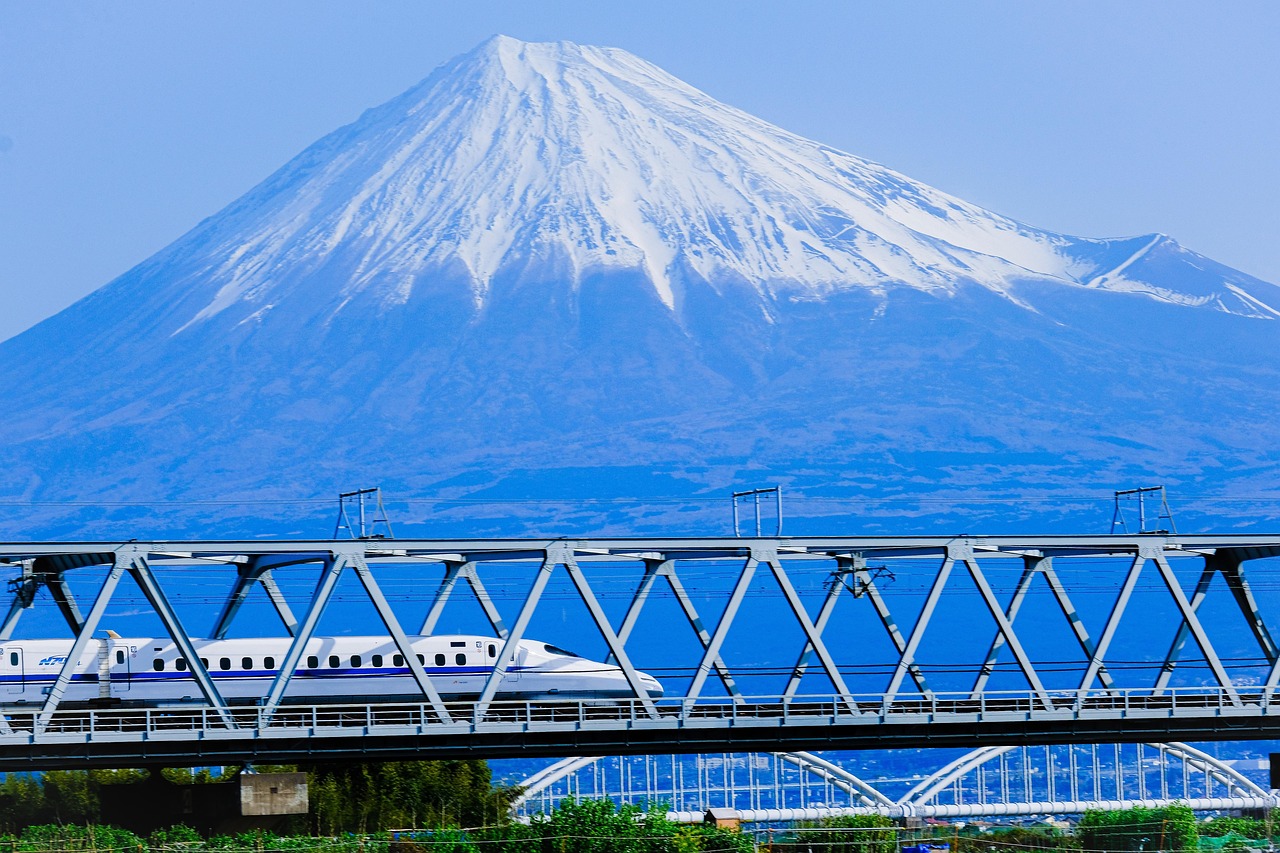
One thing every Japan travel guide mentions is how the journey itself becomes part of the experience, especially on the Shinkansen.
Japan’s transport system is one of the most impressive in the world, and it becomes part of the experience. The trains glide in quietly, the platforms are spotless, and everything runs with a kind of calm precision that makes travelling feel effortless.
For Shinkansen routes and passes, the official JR Rail website is the best place to start.. Watching the countryside blur past as you move between cities feels almost meditative. Tokyo to Kyoto in just over two hours, Kyoto to Kyushu in a few more. It’s fast, smooth, and beautifully designed.
Within the cities, the metro systems are clean, safe, and incredibly efficient. You’ll see people lining up neatly, waiting for passengers to exit before boarding, and keeping conversations soft. It’s a rhythm you naturally fall into.
For convenience, I always pick up a Suica or Pasmo card, a simple tap‑on card that works on trains, buses, vending machines, and even convenience stores. And if you’re travelling with luggage, Japan’s luggage forwarding service is a dream. You can send your suitcase to your next hotel and travel hands‑free, something I always recommend.
Staying Connected — SIM Cards & Wi‑Fi
Japan has excellent connectivity, and staying online is easy. Many travellers use pocket Wi‑Fi a small device you carry with you that keeps all your devices connected. It’s reliable and perfect if you’re travelling with others.
If you prefer a SIM, SoftBank and NTT Docomo are the most reliable. eSIMs like Airalo or Ubigi are also great if you want to land connected instantly. You’ll find counters at every major airport, and the process is quick and simple.
Money Matters
Japan uses the Japanese Yen, and while the country is modern in every way, cash still plays a big role. Small restaurants, shrines, markets, and local shops often prefer cash, while larger stores and hotels accept cards.
ATMs that work with foreign cards are easy to find, especially at 7‑Eleven, Lawson, and Japan Post.
I always travel with a WISE card. It works everywhere, the exchange rates are excellent, and withdrawing Yen is simple and cheap. It’s one of the easiest ways to manage money in Japan without worrying about hidden fees.
Stay Safe & Aware — What Not to Do
Japan is one of the safest countries in the world, but it has its own quiet etiquette that makes everything run smoothly.
People don’t talk loudly on trains. They don’t eat while walking in busy streets. They queue patiently, remove their shoes when entering homes or traditional inns, and keep public spaces clean and calm.
Tap water is safe to drink, food is incredibly clean, and the country is well-organized. The only thing to be mindful of is allergies; many dishes use soy, fish stock, sesame, or nuts, so it’s worth learning the words for your specific allergy if you have one.
A Few Local Words to Make Your Day
Even a small effort goes a long way in Japan. A simple “arigatou gozaimasu” can brighten someone’s day.
- Arigatou gozaimasu — Thank you
- Konnichiwa — Hello
- Sumimasen — Excuse me / sorry
- Onegaishimasu — Please
- Ikura desu ka — How much
People appreciate the effort, and it makes interactions warmer.
Things to Do
Japan is full of moments that stay with you the kind that feel small at the time but become the memories you return to.
In Tokyo, mornings at Meiji Shrine feel peaceful and grounding. The city wakes up slowly, and walking through the forested path feels like stepping into another world. By evening, Shibuya glows with energy, bright lights, soft music, and a sense of movement that feels alive but never overwhelming. TeamLab Planets is one of the most immersive art experiences I’ve ever had, a place where light, water, and sound blend into something unforgettable.
In Kyoto, everything feels softer. Sunrise at Fushimi Inari is magical, the torii gates glowing orange as the light filters through. The bamboo forest in Arashiyama sways gently, and the tea houses in Gion feel like stepping back in time. Kyoto is a place to wander slowly, to breathe, to let the day unfold naturally.
And then there’s Kyushu, warm, soulful, and full of surprises. Onsen towns like Yufuin and Beppu feel like retreats for the mind and body. The volcanic landscapes around Mount Aso are dramatic and beautiful, and Fukuoka’s food scene is one of the best in Japan.
Day Trips Worth Building a Day Around
- Hakone — Mt Fuji views, Lake Ashi cruise, the Hakone Open-Air Museum, and ropeway views of volcanic vents. Roughly 90 minutes from Tokyo.
- Nikko — Ornate shrines set in cedar forest, UNESCO-listed. A quieter alternative to Kyoto’s temple crowds.
- Nara — Free-roaming deer, Todai-ji’s giant Buddha, easily paired with Kyoto or Osaka.
- Kamakura — Coastal temple town with the Great Buddha, an easy half-day from Tokyo.
- Miyajima (near Hiroshima) — The floating torii gate, for travellers extending west.
Seasonal Events Worth Timing a Trip Around
- Cherry blossom season (late March–early April) — Hanami picnics under blossoms in Ueno Park and along the Philosopher’s Path in Kyoto.
- Summer matsuri and fireworks (July–August) — Gion Matsuri in Kyoto, Sumida River fireworks in Tokyo.
- Autumn foliage (mid-November) — Arashiyama and the Kyoto temple gardens turn deep red.
- Winter illuminations (December–February) — Tokyo’s Shibuya and Roppongi light displays, plus snow monkeys near Nagano.
Book-Ahead Experiences
Worth flagging clearly, since these sell out and are also natural affiliate-link placements:
- TeamLab Planets or TeamLab Borderless tickets
- Sumo tournament tickets (only held in specific months)
- Robot Restaurant / themed dining experiences in Shinjuku
- Ghibli Museum (requires advance lottery/booking)
Budget Breakdown
| Style | Accommodation | Food | Transport | Approx. daily (AUD) |
| Backpacker | Hostel / capsule hotel | Convenience store, ramen shops | Regional day passes | $90–130 |
| Mid-range | 3–4 star hotel / business hotel | Mix of casual & sit-down | IC card + occasional Shinkansen | $220–320 |
| Comfort / Luxury | Ryokan with kaiseki dinner, 4–5 star hotel | Kaiseki, omakase sushi | JR Pass, taxis where useful | $450+ |
Local Food & Dining — What to Expect
Japan is a dream for food lovers. Everything feels intentional — the flavours, the presentation, the atmosphere. Even the simplest bowl of ramen tastes different here, richer and more comforting.
You’ll find sushi that melts in your mouth, tempura that’s light and crisp, okonomiyaki cooked right in front of you, and matcha desserts that taste like pure calm.
If you’re sensitive to raw foods, stick to cooked dishes — Japan has plenty. And if you ever need something familiar, fast‑food chains like McDonald’s, MOS Burger, and Yoshinoya are everywhere.
Some of my favourite places:
Tokyo Sushi Zanmai, Ichiran Ramen, Narisawa for something special.
Kyoto Gion Karyo for kaiseki, Omen Udon, and the stalls at Nishiki Market.
Kyushu Ichiran in Fukuoka, seafood in Beppu, and the cosy eateries in Yufuin.
My Personal Tips
These are the small rituals that always shape my Japan travel guide: slow mornings, onsens, early trains, and days that unfold gently.
Wake up early at least once — Japan’s mornings are magical.
Book an onsen experience — it’s grounding in a way that’s hard to describe.
Carry a little cash — it makes life easier.
Use luggage forwarding — it’s one of Japan’s best travel secrets.
And don’t rush. Japan rewards slow travel. Let the days unfold naturally.
Best Time to Visit Japan
If you’re using this Japan travel guide to choose a season, think about the kind of mood you want: blossoms, snow, festivals, or autumn leaves.
Spring brings cherry blossoms, soft, fleeting, unforgettable. Autumn brings fiery red leaves that transform the landscape. Winter brings snow, onsens, and quiet mornings. Summer brings festivals, fireworks, and long, warm evenings.
There’s no wrong time, just different kinds of beauty.
What to Pack
| Season | Pack |
| Spring (Mar–May) | Light layers, a light jacket for cool mornings, comfortable walking shoes |
| Summer (Jun–Aug) | Breathable fabrics, a portable fan, sun protection — Japan’s summers are hot and humid |
| Autumn (Sep–Nov) | Layers, a mid-weight jacket for cooler evenings |
| Winter (Dec–Feb) | Warm coat, thermals, an onsen towel if visiting rural onsens |
- Slip-on shoes — useful for temples, ryokan, and homes where shoes come off often
- A portable charger — handy for long Shinkansen days
Coins pouch — Japan is still cash-heavy for small purchases
Check Smart Gear section
Best Places to Stay in Japan
Tokyo’s Shinjuku and Shibuya are vibrant and convenient. Ginza is elegant and refined. Asakusa is traditional and charming.
Kyoto’s Gion and Higashiyama feel timeless. Arashiyama is peaceful and scenic.
Kyushu’s Fukuoka is lively, while Yufuin and Beppu are perfect for slow, restorative stays.
Ryokan
Traditional Japanese inn with tatami floors, futon bedding, and often a multi-course kaiseki dinner included. The classic choice for an onsen town stay in Kyushu.
Business Hotel
Compact, efficient, and well-located near train stations — the mid-range default for city stays in Tokyo, Kyoto, and Osaka.
Capsule Hotel
Budget-friendly and genuinely comfortable, best for a single night rather than a full stay. A fun, low-cost novelty for solo travellers.
Minshuku
A family-run guesthouse, simpler than a ryokan, often in smaller towns — a good way to meet local hosts on a slower itinerary.
Japan
Q: Is Japan expensive to visit from Australia?
A: With the current exchange rate, Japan is more affordable than many expect. Flights are competitive, and everyday costs like food, trains, and mid‑range hotels can be very reasonable if you plan.
Q: How long should I spend in Japan on my first trip?
A: For a first‑time trip, 10–14 days is ideal. It gives you enough time to experience Tokyo, Kyoto, and a slower region like Kyushu without rushing.
Q: Do I need a JR Pass for Japan?
A: A JR Pass is useful if you’re taking multiple long‑distance Shinkansen trips in a short time. If you’re focusing on just one region, individual tickets or regional passes can be a better value.
Q: Is Japan safe for solo travellers?
A: Yes, Japan is one of the safest countries in the world. Trains, streets, and convenience stores feel safe even at night, and people are generally kind and helpful.
Q: When is the best time to visit Japan?
A: Spring (for cherry blossoms) and autumn (for red leaves) are the most popular, but winter is beautiful for onsens and snow, and summer is full of festivals and long evenings.