

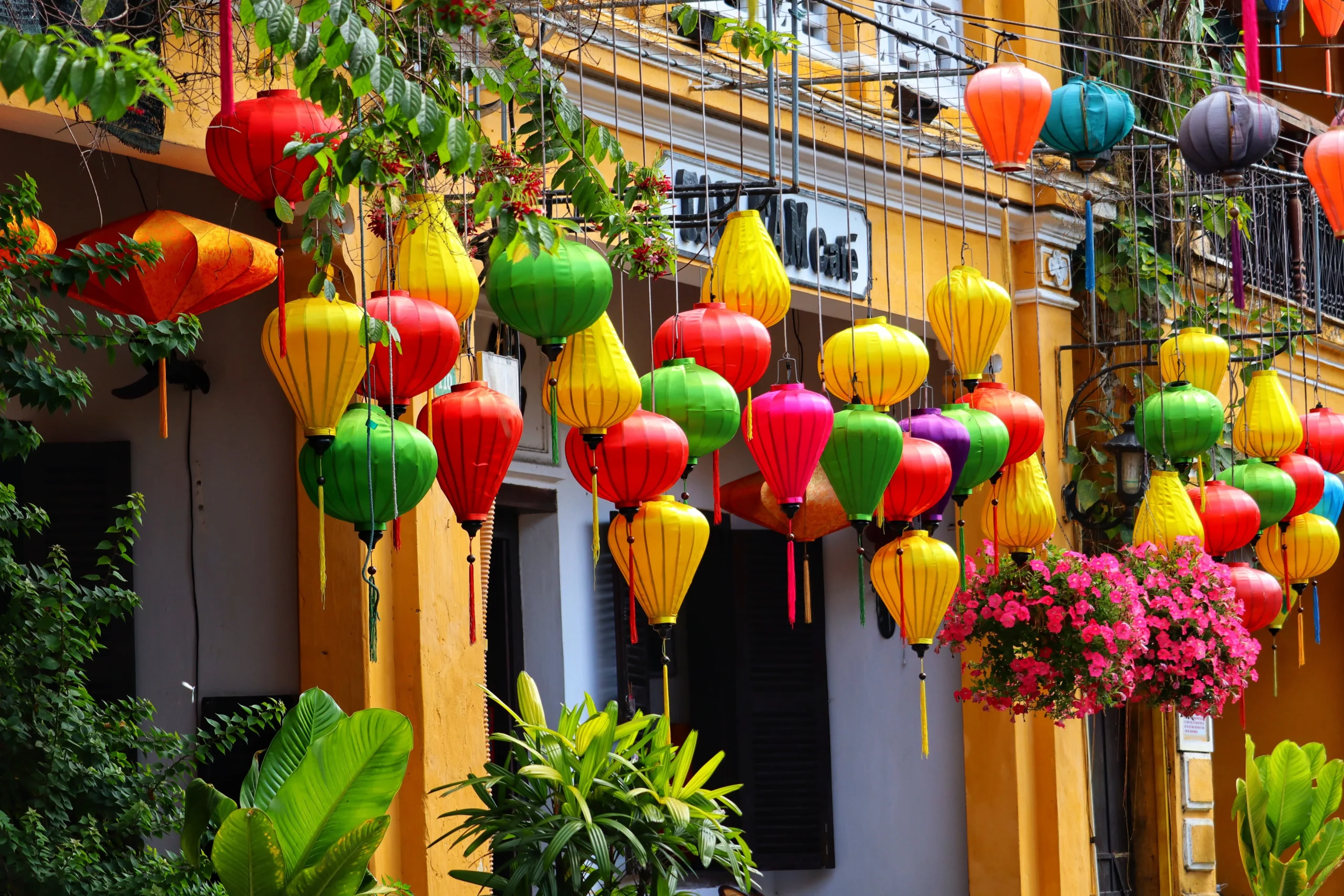
It’s the kind of place that makes a Hoi An travel guide feel effortless — the town reveals itself slowly and beautifully.
Why This Place Stays With You
Hoi An is one of those places that feels like it was made for slow travellers for people who love wandering, observing, breathing, and letting a place reveal itself gently. Every time I’ve been here, I’m reminded of how beautifully Hoi An balances nostalgia and warmth. It’s a town that doesn’t rush you. Instead, it invites you to slow down, to walk a little softer, to notice the details: the lanterns swaying above the streets, the scent of fresh herbs drifting from market stalls, the way the river glows gold at sunset.
Mornings in Hoi An are my favourite. The Old Town is quiet, the yellow heritage buildings still cool from the night air, and the Thu Bon River moves slowly, almost lazily, as if waking up with you. You’ll see locals cycling to the market, women arranging fresh flowers outside their shops, and the soft clinking of teacups from tiny cafés tucked into old wooden houses. There’s a gentleness to the way the day begins here, a softness that stays with you.
By evening, Hoi An transforms. Lanterns light up the streets in warm reds, pinks, and golds, casting a glow that feels almost dreamlike. The river fills with small wooden boats, each carrying a lantern or candle, and the reflections shimmer like scattered stars. It’s romantic, atmospheric, and deeply calming, the kind of place where you find yourself slowing your steps just to take it all in.
What I love most, and what makes this Hoi An travel guide so special, is how gently the town reveals itself. One moment you’re wandering through ancient streets, and the next you’re cycling through rice fields, the air warm and fragrant, water buffalo grazing quietly nearby. The beaches are close, the mountains not far, and the food fresh, fragrant, and full of herbs is unforgettable.
Hoi An is safe, affordable, and incredibly welcoming for Australians. It’s the kind of place where you arrive as a visitor but leave feeling like you’ve lived a small, beautiful chapter of your life here.
How to Get There — Flights
If you’re planning your trip using this Hoi An travel guide, here’s the easiest way to reach Da Nang. There are no direct flights, but the connections are smooth and comfortable. Most travellers fly into Da Nang International Airport, which is only a 40–45 minute drive from Hoi An. The entire journey usually takes around 12 to 14 hours, depending on your layover.
I’ve always found Singapore Airlines to be one of the most seamless ways to get here calm service, comfortable cabins, and a beautifully efficient transit through Changi Airport. Vietnam Airlines is another excellent choice, especially if you prefer a quick connection through Ho Chi Minh City or Hanoi. Their flights feel warm and welcoming, and the onward journey to Da Nang is short and scenic.
If you’re looking for value, Scoot and AirAsia offer surprisingly comfortable fares with easy connections. They’re perfect if you prefer to save on the flight and spend more on experiences once you arrive.
I personally love arriving in Da Nang in the late afternoon. The light softens over the coastline, the air feels warm and tropical, and the drive to Hoi An takes you past rice fields, rivers, and small villages, a gentle introduction to the slower rhythm of Central Vietnam.
If you’re planning your trip, you can explore flight options using the link below. It’s an easy way to find the best routes and prices for your dates.
If you enjoy slow‑travel destinations, you might also love Bali or Chiang Mai.
Visa & Entry Requirements for Australians
Vietnam makes things wonderfully simple for Australian travellers. You can enter with an e‑Visa, which is valid for 30 days and is easy to apply for online. The process is straightforward: fill out the form, upload your passport photo, pay the fee, and you’ll receive your visa electronically.
Your passport must be valid for at least six months from your arrival date.
When you land in Da Nang, the arrival process is smooth and efficient. Immigration officers will check your e‑Visa, stamp your passport, and you’re through. Customs is simple too, just declare any large amounts of cash, drones, or professional camera equipment if you’re carrying them.
Stay Safe & Aware — What Not to Do
Hoi An is warm, welcoming, and generally very safe, but a few simple habits make your trip smoother.
Temples are sacred spaces, so dress respectfully, with your shoulders and knees covered and move quietly. Street food is delicious, but choose busy stalls and cook everything fresh. And always drink bottled or filtered water, it’s the easiest way to avoid any stomach issues.
Hoi An is known for its tailors, but quality varies. Choose reputable shops and allow enough time for fittings. And if you’re cycling through rice fields, be mindful of uneven paths and water buffalo crossing slowly in front of you.
A Few Local Words to Make Your Day
Vietnamese is warm and melodic, and even a small effort goes a long way.
Xin chào — Hello
Cảm ơn — Thank you
Bao nhiêu? — How much?
Không cay — Not spicy
Vâng / Không — Yes / No
People appreciate the effort, and it makes interactions warmer.
Things to Do in Hoi An
Here are the experiences I always include in my Hoi An travel guide.
One of my favourite moments is walking through the Old Town at dusk. The lanterns begin to glow, the river reflects soft colours, and the air feels warm and fragrant. It’s the kind of place where you slow your steps without even realising it.
A boat ride on the Thu Bon River at night is something everyone should experience at least once. The water glows with lantern reflections, and the town feels almost dreamlike from the river.
Hoi An is also known for its tailor shops some of the best in the world. You can have a dress, suit, or linen set made in just a day or two, tailored perfectly to your style.
The rice fields around Hoi An are peaceful and beautiful. Cycling through them in the early morning, with the sun rising over the palms, is one of the most calming experiences you can have.
And then there’s the food fresh herbs, fragrant broths, grilled meats, and dishes that feel both comforting and exciting. A cooking class here is a must it’s one of the best ways to understand the culture.
If you’re here during the Lantern Festival, you’ll witness something truly magical thousands of lanterns lighting up the river and streets, creating an atmosphere that feels almost unreal.
Local Food & Dining — What to Expect
Hoi An’s food is fresh, fragrant, and full of flavour. The cuisine here is lighter than in other parts of Vietnam, with lots of herbs, rice noodles, and grilled meats.
Some dishes I always come back to:
Cao lầu — chewy noodles, fresh herbs, crispy pork.
White rose dumplings — delicate, beautiful, unique to Hoi An.
Bánh mì — the best in Vietnam (try Bánh Mì Phượng)
Mi Quang — turmeric noodles with herbs and broth
If you’re sensitive to spice, just say “không cay.” locals understand and adjust the heat.
Some of my favourite places include:
Morning Glory — beautiful atmosphere, classic Hoi An dishes
Bánh Mì Phượng — iconic, delicious, worth the queue
Miss Ly Café — warm, homely, full of flavour
The DeckHouse (An Bang Beach) — perfect for sunset dinners
And if you ever need something familiar, Hoi An has McDonald’s and KFC in nearby Da Nang — easy to reach and reliable.
My Personal Tips
If there’s one thing I’ve learned about Hoi An, it’s that this town reveals its magic slowly — and only if you give it the space to. These are the little rituals and moments that have stayed with me, the ones I always find myself returning to.
Wake up early at least once. Hoi An’s mornings have a softness you don’t often find in busy travel towns. The streets are quiet, the air is cool, and the river moves with a kind of sleepy grace. You’ll see locals setting up their stalls, women arranging flowers, and the first lanterns of the day being lit. It’s peaceful in a way that feels almost intimate like you’re seeing a side of the town most people sleep through.
Visit the Old Town at dusk. There’s a moment just after sunset but before the night fully settles when Hoi An feels alive in the most beautiful way. The lanterns begin to glow, the river reflects soft colours, and the whole town seems to exhale. It’s warm, atmospheric, and quietly romantic. I always slow my steps here, just to take it all in.
Take a cooking class — it’s more than just food. Hoi An’s cuisine is full of herbs, textures, and stories. A cooking class here isn’t just about learning recipes, it’s about understanding the rhythm of the markets, the way locals choose ingredients, and the pride they take in every dish. It’s one of the most grounding, joyful experiences you can have.
Cycle through the rice fields. There’s something incredibly calming about riding a bicycle through the rice paddies in the early morning or late afternoon. The air is warm, the fields glow green, and water buffalo graze lazily nearby. It’s quiet, peaceful, and strangely meditative the kind of moment that stays with you long after you’ve left.
Spend an evening at An Bang Beach. Hoi An isn’t just lanterns and rivers, the coastline is beautiful too. An Bang Beach has a relaxed, barefoot charm. The sunsets here are soft and golden, and the sound of the waves feels like a reset after a day of exploring. It’s the perfect place to unwind with a drink and let the evening stretch out slowly.
And above all, let the town set the pace. Hoi An isn’t a place to rush. It rewards slow travel wandering without a plan, stopping for a coffee just because the café looks inviting, lingering by the river, watching lanterns drift across the water. The more gently you move, the more the town reveals.
Best Time to Visit Hoi An
If you’re planning your trip using this Hoi An travel guide, here’s when the town feels its most magical.
The best time to visit is from February to April, when the weather is warm, dry, and perfect for exploring. May to August is hot but great for beach days. September to January brings rain, but the town feels cosy and atmospheric.
If you want to experience the Lantern Festival, plan for the full moon, it’s unforgettable.
Best Places to Stay in Hoi An
The Old Town is perfect for culture and convenience. An Bang Beach is peaceful and scenic. Cam Thanh offers riverside stays surrounded by coconut forests. And the rice field retreats are perfect for slow, restorative days.
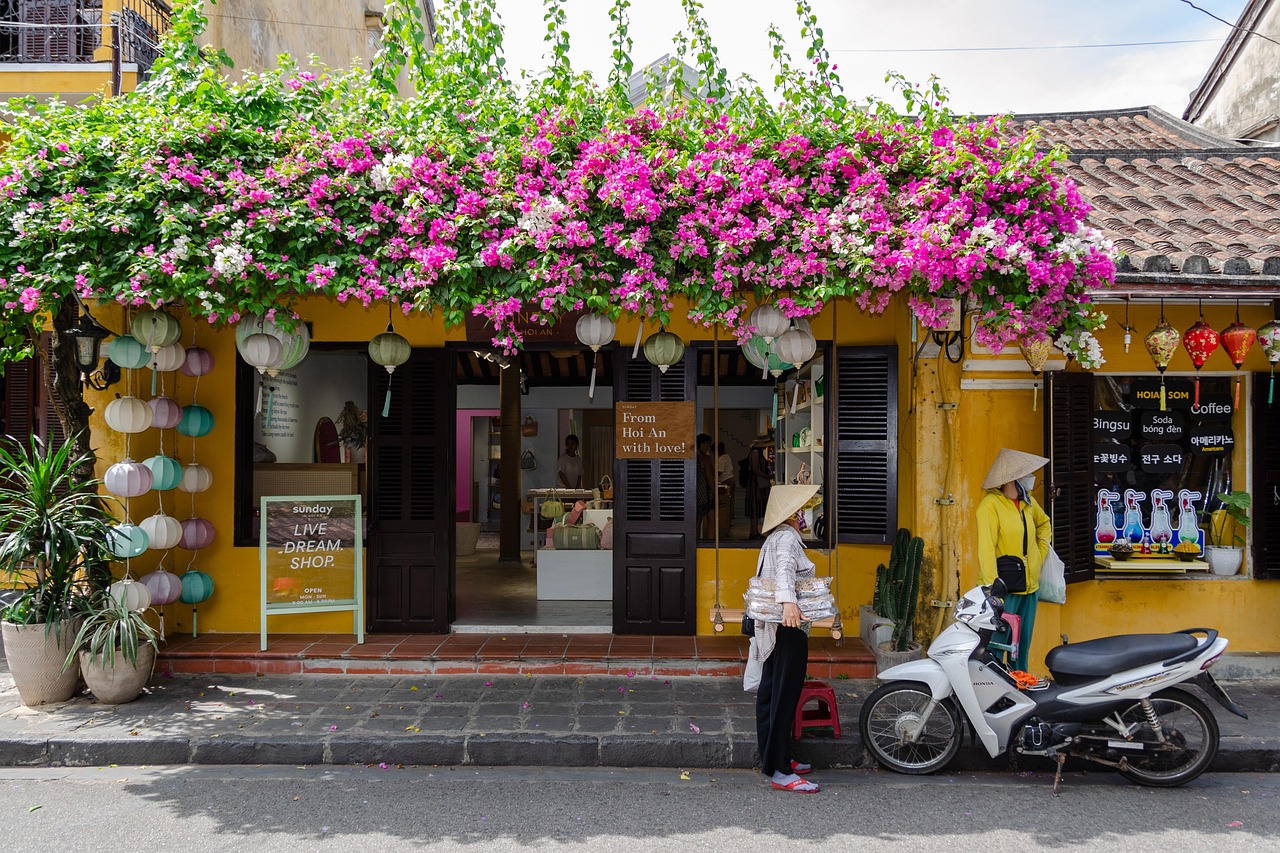
Hoi An
Q: What is Hoi An known for?
A: Hoi An is famous for its lantern‑lit Old Town, tailor shops, riverside charm, and slow‑travel atmosphere.
Q: How far is Hoi An from Da Nang Airport?
A: Around 40–45 minutes by car, making it one of the easiest destinations to reach in Central Vietnam.
Q: What are the best things to do in Hoi An?
A: Explore the Old Town, take a lantern boat ride, cycle through rice fields, visit tailor shops, and enjoy a cooking class.
Q: When is the best time to visit Hoi An?
A: February to April offers the best weather, while the Lantern Festival during the full moon is unforgettable.
Q: Is Hoi An safe for solo travellers?
A: Yes — it’s one of Vietnam’s safest and most welcoming towns, especially for Australians.