

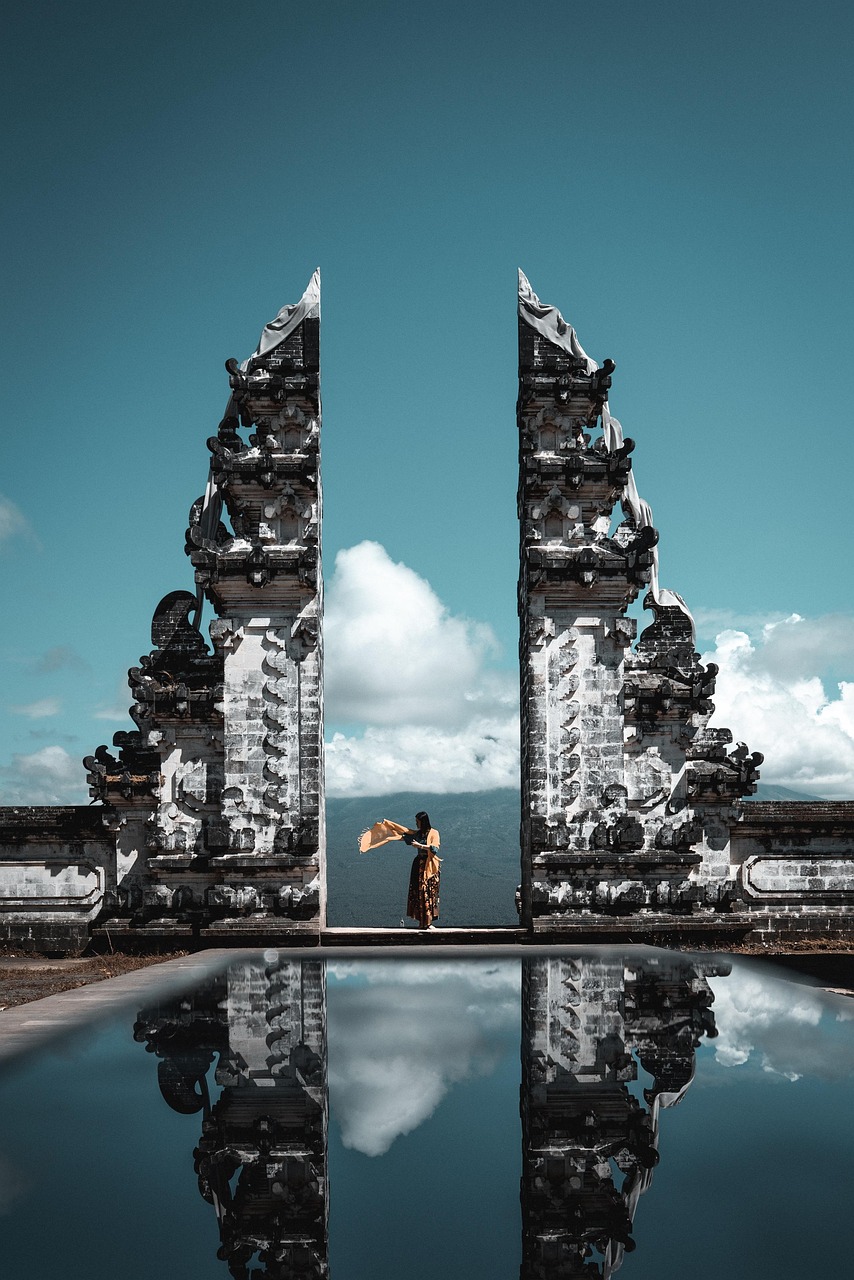
Top 10 Must-Do Activities in Bali

nature, ipad wallpaper, wallpaper, background, mountain, clouds, sky, purple, blue, man, temple, gates, outdoor, landscape, mobile wallpaper, atmospheric, bali, indonesia, beautiful wallpaper, android wallpaper, blue nature, blue background, mobile wallpaper 4k, blue sky, lock screen wallpaper, blue landscape, blue mountain, phone wallpaper, blue clouds, blue wallpaper, sky background, samsung wallpaper, blue natural, aesthetic wallpaper, iphone wallpaper

The Essence of This Journey

What keeps pulling me back to Bali isn’t just the scenery, it’s the feeling the island gives you the moment you arrive. There’s a softness in the air, a warmth in the people, and a rhythm to daily life that gently slows you down. Bali has this rare ability to make even the simplest moments feel meaningful.

I love how the island holds so many worlds at once. One morning, you’re wandering through rice terraces that glow in the early light, and by afternoon, you’re sitting on a clifftop watching waves crash against the rocks below. Evenings drift in with incense, soft music, and that unmistakable tropical breeze that makes you want to stay outside just a little longer.

What makes Bali special to me is how personal it feels. The small offerings placed on doorsteps, the quiet temples tucked between rice fields, and the way locals greet you with genuine warmth all create a sense of connection that stays with you. And then there’s the light… Bali has a way of catching the sun that feels almost cinematic, especially at sunset when the sky turns into a wash of gold and apricot.

It’s a place that invites you to slow down, to wander, to breathe. A place where nature, culture, and comfort blend so effortlessly that you can’t help but fall into its rhythm. Bali isn’t just a destination, it’s an experience that unfolds gently, revealing something new each time you return.

Things to Do

Bali is one of those places where every day feels like it could unfold in a dozen beautiful ways. The island has a soft, warm, unhurried rhythm, and the best experiences are the ones that let you fall into that rhythm naturally.

Below is a curated list of the moments that have stayed with me, along with the affiliate platforms that work best for each activity.

1. Sunrise in the Rice Terraces (Ubud)

There’s something almost spiritual about watching the first light spill across the rice fields. The terraces glow in soft greens and golds, the air is cool, and the world feels beautifully still. It’s one of those moments that makes you forget everything else.

Best affiliate: GetYourGuide or Klook (They offer guided sunrise treks + breakfast options.)

2. Kecak Fire Dance at Uluwatu Temple

Vibrant Kecak dance performance highlighting Balinese culture and tradition with dancers in outdoor setting.

This is one of Bali’s most dramatic cultural experiences. As the sun sets behind the cliffs, the sky turns orange and the rhythmic chanting begins. The fire dance feels ancient, powerful, and deeply atmospheric a moment that stays with you.

Best affiliate: Klook or Viator (They have reliable, high‑rated Kecak Dance tickets + transfers.)

3. Quad Biking Through Jungle Trails & Rice Fields

If you want a little adventure, quad biking in Bali is pure fun. You ride through muddy tracks, small villages, bamboo forests, and hidden trails. It’s messy, exhilarating, and a completely different way to see the island.

Best affiliate: GetYourGuide (They offer the most consistent operators for quad bike tours.)

4. A Slow Afternoon at a Beach Club

Whether it’s Uluwatu’s dramatic cliffs or Seminyak’s long stretch of sand, Bali’s beach clubs know how to create atmosphere. Soft music, warm sun, good food, and that gentle ocean breeze it’s the kind of afternoon that melts into evening without you noticing.

Best affiliate: Not needed but you can link to GetYourGuide for “Bali Beach Club Day Passes”.

5. Water Activities — Snorkelling, Nusa Penida, Waterfalls

Bali’s water is warm, clear, and full of life. Snorkelling with manta rays in Nusa Penida, swimming in hidden waterfalls, or taking a boat out to the islands these are the moments that make Bali feel alive.

Best affiliate: Viator or GetYourGuide (They offer snorkelling tours, Nusa Penida day trips, waterfall tours.)

6. Explore the Temples — Quietly

Bali’s temples aren’t just landmarks; they’re living, breathing parts of the island. Visit in the early morning or late afternoon when the crowds thin and the light softens. Tirta Empul, Uluwatu, and Gunung Kawi each have their own quiet magic.

Best affiliate: Klook (They offer temple tours with local guides.)

7. Chase Waterfalls in the North

If you have time, head north. The waterfalls there feel untouched tall, powerful, surrounded by jungle. It’s a different side of Bali, raw and refreshing.

Best affiliate: GetYourGuide (They have the best-rated waterfall tours.)

8. A Balinese Massage After a Long Day

There’s nothing more grounding than ending your day with a traditional Balinese massage. The scents, the warmth, the slow rhythm it’s pure calm.

Best affiliate: Klook (They offer spa packages + hotel pickup.)

9. Wander Through Local Markets

From Ubud’s artisan stalls to Canggu’s weekend markets, Bali’s creative energy is everywhere. Handmade ceramics, woven bags, natural skincare, it’s easy to lose track of time.

Best affiliate: Not necessary but you can link to “Ubud Market Walking Tours” on Viator.

10. Enjoy a Slow Dinner Under the Stars

Bali’s dining scene is world‑class, but it’s the atmosphere that makes it special. Candlelight, open‑air spaces, warm nights it feels intimate, romantic, and effortlessly beautiful.

Best affiliate: Not needed, but you can link to “Romantic Dinner Experiences” on GetYourGuide.

My Personal Tips

Wake up early at least once. Bali’s mornings are soft and full of life, roosters, incense, and distant temple bells. It’s the island at its most peaceful.

Pack light, breathable clothing and something for the evenings. The days are warm, but nights in Ubud or the mountains can surprise you with a cool breeze.

Choose your base depending on your mood. Ubud for calm and culture. Canggu for cafés and energy. Uluwatu for cliffs and sunsets. Seminyak for dining and convenience.

Don’t try to do everything. Bali is best enjoyed slowly long breakfasts, slow walks, swims, and simple moments.

Hire a driver for a day or two. It’s the easiest way to explore without rushing, and locals always know the best hidden spots.

Stay somewhere with nature around you. A villa surrounded by rice fields or a clifftop room overlooking the ocean changes the whole experience.

How to Get There — Flights to Bali

Flying to Bali is wonderfully straightforward, especially from Australia. From Sydney, the journey usually takes around 6 to 6.5 hours, and the moment you step off the plane in Denpasar, you feel that warm tropical air wrap around you, a gentle reminder that you’ve arrived somewhere completely different.

I always recommend choosing a flight that lands in the late afternoon or early evening. There’s something special about arriving as the island begins to glow. The sky softens, the air cools slightly, and the drive to your accommodation feels like the perfect introduction to Bali’s atmosphere.

Once you land at Ngurah Rai International Airport (DPS), most major areas, such as Seminyak, Canggu, Uluwatu, and Ubud, are within a 30–90 minute drive, depending on traffic. It’s easy, familiar, and well set up for travellers.

Book Your Flight

Visa & Entry Requirements — What Australians Need to Know

One thing I’ve learned from travelling to Bali is that the arrival process is simple when you know what to expect. Here’s everything Australians need before stepping onto the island.

Visa Requirements for Australians

Australians do need a visa to enter Bali (Indonesia), but the process is straightforward.

You have two options:

1. Visa on Arrival (VOA)

This is the most common option — quick, easy, and perfect for holidays.

  • Valid for 30 days
  • Can be extended once for another 30 days
  • Available at Denpasar Airport (DPS)

2. e-Visa on Arrival (eVOA)

If you prefer to skip queues, you can apply online before you fly.

It’s the smoothest option if you like everything sorted before you land.

Visa Fee

The visa fee is generally around IDR 500,000 (approx. AUD $50), payable by:

  • Credit card
  • Debit card
  • Online payment (for eVOA)

It’s quick and straightforward — no need to exchange money before paying.

Where to Get the Visa

If you choose VOA: You’ll see clear signs at Denpasar Airport directing you to the Visa on Arrival counters. It’s usually efficient, but queues can form during peak hours.

If you choose eVOA: You’ll go straight to the dedicated eVOA immigration lane — much faster and ideal if you’re arriving in the evening.

Passport Requirements

Make sure your passport is:

  • Valid for at least 6 months from your date of arrival
  • Has at least one blank page for entry stamps

Indonesia is strict about the 6‑month rule — airlines may refuse boarding if your passport is close to expiry.

Arrival Card & Immigration Declarations

Indonesia now uses a digital customs declaration. You can fill it out:

  • Before you fly, or
  • On arrival, using the airport Wi‑Fi

You’ll receive a QR code that you show at customs.

What you may need to declare:

  • Cash over IDR 100 million
  • Drones
  • Professional camera equipment
  • Food items or plant products
  • Prescription medication (carry the script)

The process is smooth and friendly — Bali immigration officers are used to Australian travellers and the flow is well organised.

A Few Tips for a Smooth Arrival

  • Keep your passport, boarding pass, and visa confirmation handy
  • Screenshot your eVOA and customs QR code
  • Have your hotel address ready for the arrival form
  • Expect warm, humid air the moment you step off the plane — it’s part of the charm
  • After immigration, you’ll find ATMs, SIM card counters, and money changers right in the arrivals hall

Best Time to Visit

Bali is warm year‑round, but each season has its own charm.

April to June — My favourite time. The island is lush from the rains, the crowds are lighter, and the weather is beautifully warm without being intense.

July to September — Peak season, perfect weather. Clear skies, calm seas, and long sunny days. It’s busy, but the island feels alive.

October to November — Quiet and atmospheric. Warm days, softer light, fewer people. A lovely time for slow travel.

December to March — Rainy but still beautiful. Showers come and go, but the island feels green, moody, and peaceful. Great for wellness retreats and slow days.

Best Places to Stay

For Romance & Views — Uluwatu

  • Cliffside villas with private pools
  • Sunset views that feel cinematic
  • Quiet, luxurious, perfect for couples

For Calm & Culture — Ubud

  • Jungle retreats
  • Rice‑field villas
  • Wellness‑focused stays with spas and yoga

For Style & Convenience — Seminyak

  • Boutique hotels
  • Modern villas
  • Walkable to cafés, restaurants, and the beach

For Creative Energy — Canggu

  • Trendy villas
  • Stylish boutique stays
  • Perfect for cafés, surf, and sunsets
Find the Best Places to Stay in Bali

Staying Connected — SIM Cards & Mobile Data

One of the first things I always sort out when I land in Bali is a local SIM. It makes everything easier maps, ride‑hailing, translations, bookings, and staying in touch.

What I personally recommend: Get a Telkomsel or XL Axiata SIM. Telkomsel has the strongest coverage across the island, especially if you’re heading to Ubud, Uluwatu, or the northern regions.

Where to buy:

  • At Denpasar Airport (DPS) — convenient, quick, slightly pricier
  • Local phone shops in town — cheaper, more data options
  • Pre‑order eSIMs (Airalo / Holafly) — great if you want to land connected instantly

If you’re staying longer or planning to explore beyond the main areas, a physical SIM from Telkomsel is the most reliable.

Money Matters — Currency, Payments & My Trusted Travel Card

Bali uses the Indonesian Rupiah (IDR) — and you’ll be dealing with large numbers (100,000 IDR is roughly the price of a simple meal).

How I handle money in Bali:

  • ATMs are widely available and safe in major areas
  • Cash is still useful for markets, small cafés, and local drivers
  • Most restaurants, hotels, and beach clubs accept cards

My personal recommendation: I always travel with a WISE card. It’s accepted almost everywhere, the exchange rates are excellent, and you avoid the inflated conversion fees that many local ATMs try to sneak in. It’s also perfect for withdrawing small amounts of cash without worrying about hidden charges.

Money exchange: If you prefer exchanging cash, use reputable money changers in Seminyak, Canggu, or Ubud avoid small roadside kiosks.

Stay Safe & Aware — What Not to Do

Bali is warm, welcoming, and generally safe, but like any international destination, a few simple habits make your trip smoother.

A few things I always keep in mind:

1. Drink only bottled water. Tap water in Bali isn’t safe to drink. Stick to bottled or filtered water even for brushing your teeth if you have a sensitive stomach.

2. Be mindful of scooters. Traffic can be chaotic. If you’re not confident riding a scooter, hire a driver instead it’s affordable and far safer.

3. Watch your belongings in crowded areas. Markets, beach clubs, and busy streets are generally safe, but it’s always good to stay aware.

4. Respect temple etiquette. Wear a sarong, cover shoulders, and follow local customs. Bali’s temples are sacred spaces.

5. Be cautious with street animals. Dogs are common, but avoid touching them unless you’re sure they’re healthy and friendly.

6. Sun & hydration. The tropical sun is stronger than it feels. Sunscreen and water are your best friends.

These aren’t warnings just gentle reminders that help you enjoy the island without any hiccups.

A Few Local Words to Make Your Day

. You don’t need to speak Indonesian to enjoy Bali, but knowing a few simple words always brings a smile locals appreciate the effort.

Here are the ones I use most:

  • Terima kasih — Thank you
  • Selamat pagi — Good morning
  • Tolong — Please / help
  • Berapa? — How much?
  • Bagus — Good/beautiful

Even using one or two of these makes interactions warmer and more personal.

Getting Around — Local Transportation

One thing I’ve learned from travelling through Bali is that getting around becomes part of the experience. The island has its own rhythm scooters weaving through narrow streets, drivers who know every shortcut, and coastal roads that open up to the most beautiful views.

Here’s what I’ve found works best:

1. Hire a private driver it’s the easiest and most comfortable way to explore. Drivers in Bali are warm, reliable, and incredibly knowledgeable. They’ll take you to hidden spots, wait while you explore, and share stories along the way. It’s surprisingly affordable and removes all the stress of navigating traffic.

2. Use ride‑hailing apps like Grab or Gojek. For short distances, these apps are a lifesaver. Quick, easy, and safe perfect for getting around Seminyak, Canggu, or Ubud.

3. Scooters are everywhere but only if you’re confident. Bali’s traffic has its own flow. If you’re not used to riding a scooter, it’s better to skip it. If you are confident, it’s a fun way to explore smaller roads and beaches.

4. Walking is lovely in some areas, tricky in others. Canggu and Seminyak have walkable pockets, but many roads don’t have footpaths. Ubud is better for slow, scenic walks.

5. For longer distances, plan extra time. A 20‑minute drive on the map can easily become 40 minutes Bali moves at its own pace.

Book a Hire Car

Local Food & Dining — What to Expect

One of the things I love most about Bali is how deeply food is woven into the rhythm of daily life. The island has this beautiful way of blending tradition with creativity warungs serving recipes passed down through generations sit right next to modern cafés that feel like they belong in Tokyo or Melbourne. And somehow, it all works.

Eating in Bali feels warm, soulful, and full of flavour. You’ll find dishes built around spices, coconut, fresh herbs, and slow‑cooked meats. Even the simplest plate of nasi goreng tastes different here richer, more fragrant, more comforting.

But Bali also surprises you. One moment you’re eating grilled fish on the beach, the next you’re in a minimalist Japanese restaurant with some of the freshest sashimi you’ll find outside Japan. The island has range and that’s part of its charm.

What to Try — Local Dishes I Always Come Back To

Nasi Goreng Indonesia’s iconic fried rice simple, comforting, full of flavour.

Mie Goreng: Stir‑fried noodles with vegetables, chicken, or prawns are perfect after a long day exploring.

Babi Guling, Balinese roast pork, is crispy, aromatic, and a must‑try if you eat meat.

Nasi Campur: A beautiful mix of small dishes, rice, vegetables, meats, and sambal. Every plate is different.

Sate Lilit Minced fish or chicken wrapped around lemongrass sticks, smoky and delicious.

These dishes taste best at local warungs, where the flavours are honest, and the atmosphere is warm.

What Not to Eat — Staying Safe & Healthy

Bali’s food is incredible, but a few simple habits make the experience smoother:

1. Drink only bottled or filtered water. This includes brushing your teeth if you have a sensitive stomach.

2. Be cautious with street food. Choose busy stalls where the food is cooked fresh and served hot.

3. Avoid raw salads from small warungs. They may be washed in tap water.

4. Ice is generally safe in established restaurants and cafés. But avoid it from small roadside vendors.

5. If you have allergies, communicate clearly. Many dishes use peanuts, shrimp paste, or soy.

These aren’t restrictions just gentle reminders that help you enjoy Bali without any surprises.

Where to Eat — My Personal Recommendations

For Japanese Food

Ryoshi (Seminyak) A long‑standing favourite fresh sushi, warm atmosphere, and consistent quality.

Sushi Tei (multiple locations) Reliable, clean, and great for a casual Japanese meal.

Indigo (Canggu) Modern Japanese with a refined, elegant touch perfect for a slow dinner.

For Local Balinese Cuisine

Warung Babi Guling Ibu Oka (Ubud) Famous for babi guling a true Balinese classic.

Warung Nasi Ayam Kedewatan Beautifully seasoned chicken rice simple, authentic, delicious.

Made’s Warung (Seminyak) A long‑time favourite serving traditional Indonesian dishes in a warm, nostalgic setting.

La Lucciola

For Modern & International Dining

Mason (Canggu) Beautifully crafted dishes, great cocktails, and a stylish atmosphere.

La Lucciola (Seminyak) Beachfront dining with a romantic, open‑air setting perfect for sunset.

The Lawn (Canggu) Relaxed, scenic, and ideal for long afternoons that turn into evenings.

Fast Food Chains (if you need something familiar)

Bali has plenty of international options too: McDonald’s, KFC, Burger King, Subway, Starbucks all easy to find in major areas like Seminyak, Kuta, and Denpasar.

Sometimes after a long day of exploring, something familiar hits the spot and that’s perfectly okay.

What to Pack — Essentials for a Smooth Bali Trip

Packing for Bali is all about keeping things light, comfortable, and practical. The island has a warm, tropical climate, but it also has its own quirks — sudden rain showers, cool evenings in Ubud, and the occasional power outage in remote areas. Over the years, I’ve learned what truly makes a difference, and what just takes up space in your luggage.

Here’s what I always bring.

Clothing — What’s Comfortable & Acceptable

Bali is relaxed when it comes to clothing, but respectful when it comes to temples.

For everyday wear:

  • Light, breathable clothing (linen, cotton, loose shirts)
  • Comfortable shorts or skirts
  • Swimwear (you’ll use it more than you think)
  • A light jacket or shawl for evenings in Ubud or mountain areas
  • A sarong essential for temple visits (or you can borrow one at the entrance)

For temples:

  • Shoulders covered
  • Knees covered
  • Sarong tied around the waist

Bali isn’t strict, but dressing respectfully at cultural sites is appreciated — and it makes the experience feel more meaningful.

Must‑Have Essentials

These are the things I never travel to Bali without:

  • Sunscreen (the tropical sun is stronger than it feels)
  • Insect repellent (especially for evenings and jungle areas)
  • Reusable water bottle (most hotels offer filtered water)
  • Basic medicines (pain relief, stomach tablets, antihistamines)
  • Electrolytes (helpful in the heat)
  • A small torch or phone light (useful in quieter areas or during power dips)
  • Portable charger/power bank
  • Travel adapter (Indonesia uses Type C & F plugs)
  • Waterproof phone pouch (for beach days, waterfalls, boat trips)
  • Comfortable walking sandals or sneakers

These small things make your days smoother, especially if you’re exploring beyond the main towns.

Health & Hygiene Essentials

Bali is generally safe, but a few simple habits go a long way.

  • Drink only bottled or filtered water
  • Avoid ice from small roadside stalls
  • Carry hand sanitiser
  • Pack any prescription medication you need
  • Bring a small first‑aid kit (band‑aids, antiseptic wipes, motion sickness tablets if you’re visiting Nusa Penida)

If you have a sensitive stomach, stick to freshly cooked food and avoid raw salads from small warungs.

Tech & Convenience

  • Local SIM or eSIM (Telkomsel is the most reliable)
  • Offline Google Maps (very helpful in Ubud and the north)
  • Ride‑hailing apps (Grab, Gojek)
  • A small day bag for beach clubs, markets, and temple visits

These make getting around and staying connected effortless.

Money & Cards

  • WISE card — my go‑to for international travel
    • Excellent exchange rates
    • Works almost everywhere
    • Easy to withdraw cash without hidden fees
  • A small amount of cash for markets, small cafés, and local drivers
  • Keep cards and cash in separate places (just a good habit anywhere)

Optional but Lovely to Have

  • A good book for beach days
  • A hat (the sun is no joke)
  • A light rain jacket (especially Nov–March)
  • A small dry bag for boat trips or waterfalls
  • A notebook if you like journaling — Bali has that effect on people