

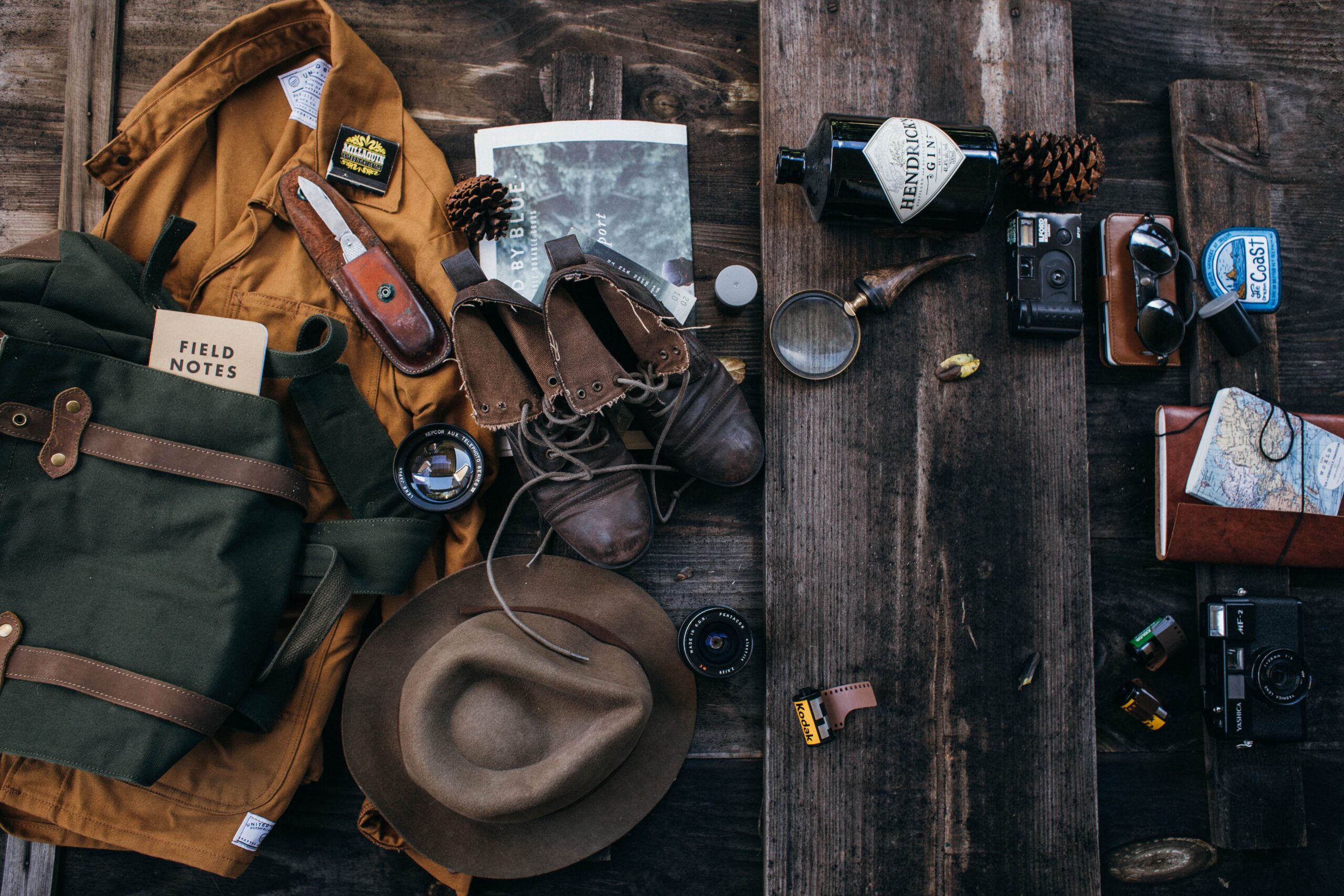
Pack light, choose wisely, travel better, the gear that actually earns its place in your bag.
Less stuff. Better stuff.
Most travellers don’t need more gear they need the right gear. Outside a handful of essentials, anything extra is just weight you’ll carry through an airport, up a Tokyo subway stair, or across a Hoi An laneway in 34°C heat. This guide covers what’s actually worth packing, what to leave behind, and how to protect the things you do bring built from what we test on the road and show in our Instagram reels.
Less, but better
One good backpack beats three mediocre bags. Buy for the trip you actually take, not the one you imagine.
Protect what matters
Tech, documents and money are the only things worth real investment in security. Everything else can be replaced cheaply abroad.
Systems beat stuff
A packing method you repeat every trip saves more time and stress than any single gadget you can buy.
Luggage & Bags
The bag is the one piece of gear that touches every part of your trip. Get this right first, and everything else has to fit inside it.
Carry-on backpack
A structured 35–45L travel backpack works harder than a wheelie case the moment footpaths turn to sand, stairs, or Bali gravel. Look for one with a padded laptop sleeve, a hip belt for longer walks, and a clamshell opening that lets you pack without unpacking everything to find the bottom layer.
Tip: check it fits budget-carrier carry-on limits (Jetstar, AirAsia, VietJet) before you buy, not just standard airline size.
Packing cubes
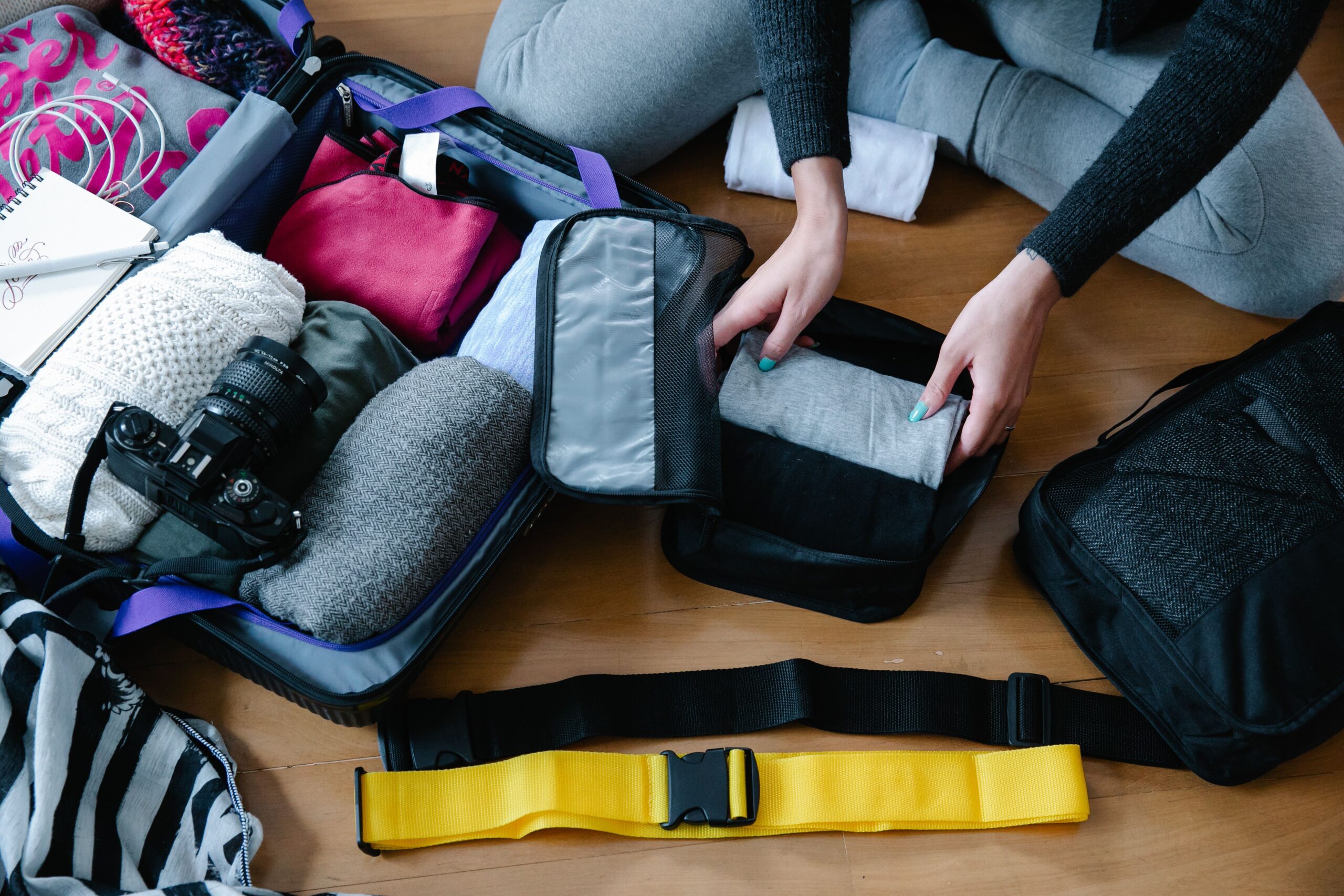
Compression-style cubes squeeze 10–15% more into the same space, which means you stop unpacking your whole bag to find one t-shirt. A set of 3–4 cubes organised by category (tops, bottoms, underwear/socks, miscellaneous) is the fastest upgrade to how you pack.
Tip: one cube per category beats one cube per outfit. It’s much easier to repack mid-trip.
Packable daypack
A fold-flat 15–20L daypack takes no space in your main bag and becomes your day-trip, market, or hiking bag everywhere from Kangaroo Valley to Chiang Mai. The best ones pack down to roughly the size of a water bottle.
Tip: Look for a chest strap if you’re using it on any actual hikes, not just city walking.
Dry bag / wet bag
A small waterproof roll-top bag separates wet swimwear, muddy shoes or beach gear from everything else. Genuinely useful everywhere from Bermagui beach days to rainy Hoi An afternoons.
Tip: 5–10L is plenty, you don’t need a dive-shop-sized one for this.
Tech & Connectivity
The gear that keeps you charged, connected, and filming is built for content creators as much as casual travellers.
Power bank
A 10,000–20,000mAh bank covers a full day of filming reels plus navigation without needing an outlet. Look for one with USB-C fast charging so it tops up overnight rather than taking all day.
Tip: check airline carry-on watt-hour limits (usually under 100Wh) before buying a larger model; the biggest ones get stopped at security.
Universal travel adapter
One adapter covering Type A (Japan/USA), Type C/G (Bali, Vietnam, UK), and Australian plugs, with USB-C output, beats packing three separate plugs. Japan in particular, catches many Australians off guard, their sockets look similar to ours, but aren’t compatible.
Tip: Confirm it has built-in fuse protection. Cheap, unbranded adapters are a genuine fire risk.
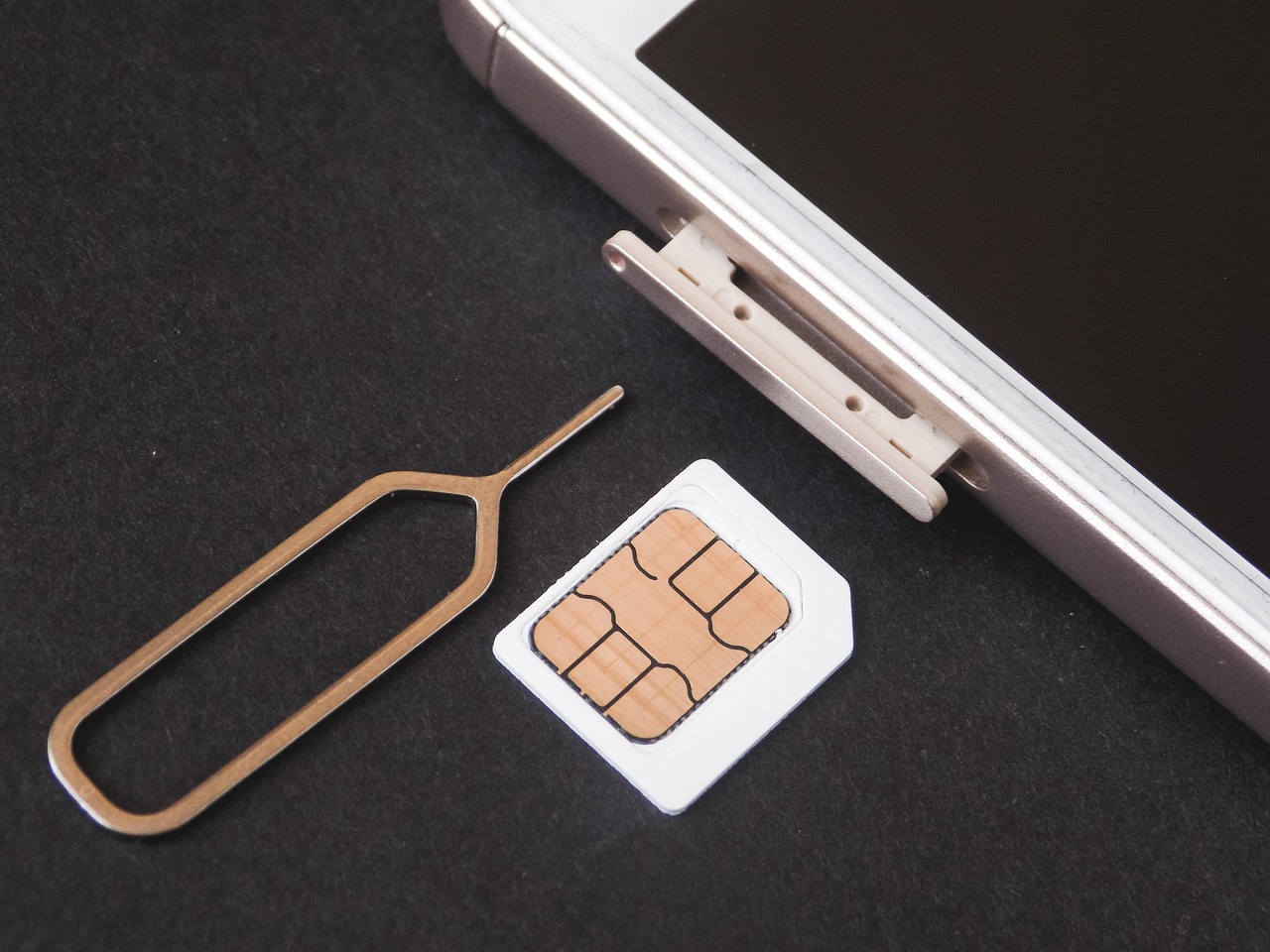
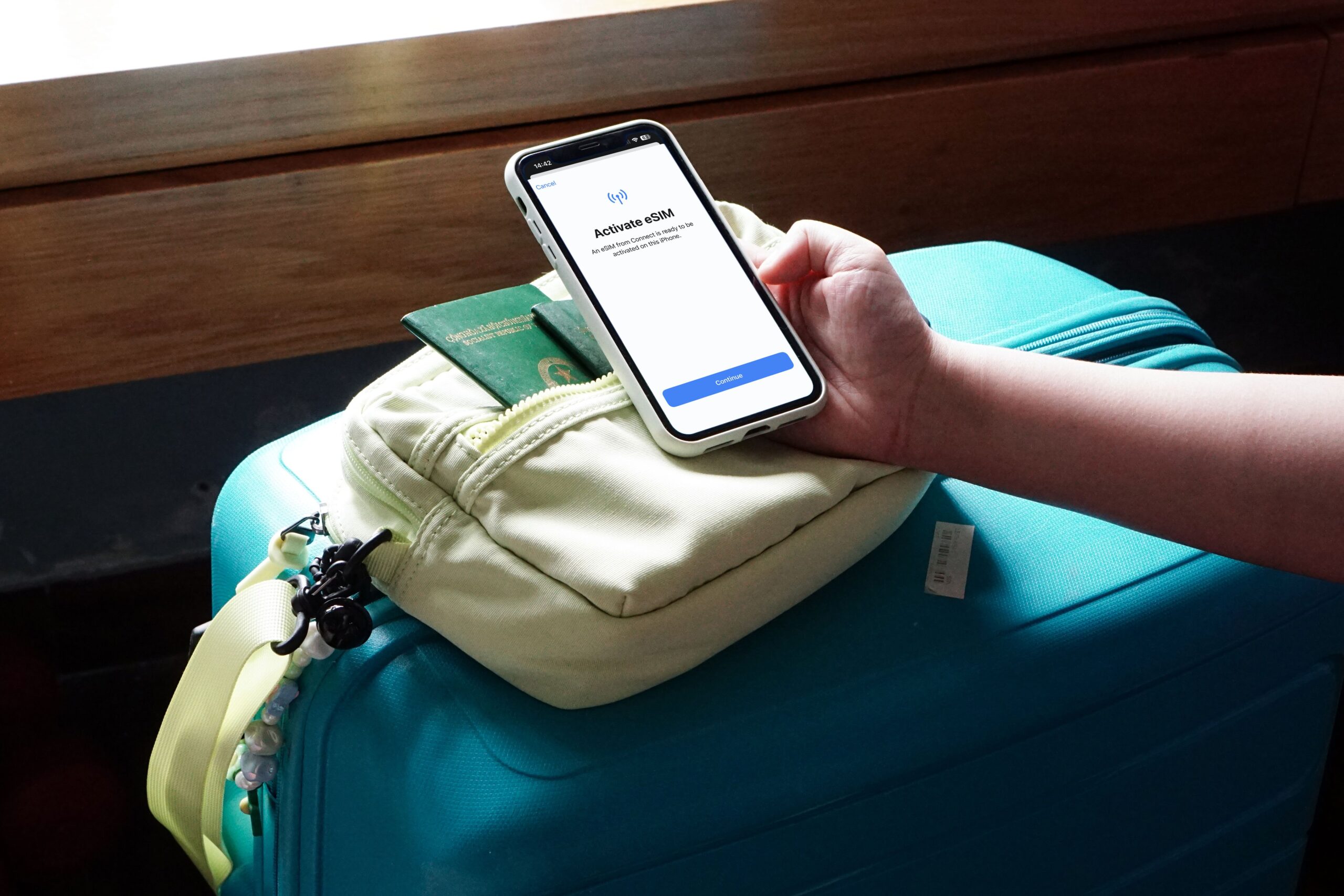
eSIM & travel data
Landing with data already active means maps, translation, and posting reels work from the moment you clear customs, no hunting for a SIM kiosk or paying hotel wifi prices.
Tip: check your phone supports eSIM before buying, and activate it before you fly, where possible.
Cable organiser pouch
One small zip pouch for chargers, cables, and SD cards stops “where’s my charger” from becoming a daily ritual. The ones with elastic loops for each cable are far better than a flat-pocket style.
Tip: pick one with elastic loops, not just a flat pocket, loose cables still tangle.
Phone gimbal / mini tripod
A mini tripod with a phone clamp is the difference between shaky handheld reel footage and the steady shots that actually perform. Look for one under 300g that disappears into a daypack, not one that weighs it down.
Tip: flexible-leg tripods (like Gorillapod-style) work on more surfaces than rigid ones.
Security & Documents
Cheap to get right, expensive to get wrong. This is the category you shouldn’t skimp on.
RFID-blocking wallet
Blocks contactless card skimming in crowded markets and transit. A slim travel wallet that also holds a passport is worth it if you’re checking in and out of accommodations often.
TSA-approved luggage lock
Let’s security staff open and re-lock your bag without cutting it open. Essential for any checked luggage, and a combination lock beats a key lock, one less small item to lose.
Document organiser
One folio for passport, boarding passes, insurance, and printed bookings means nothing important is loose in a bag pocket. Photograph every document and email yourself a copy as a backup before you fly.
Travel insurance
Covers the cost of a packing list, never can medical care, cancellations, and gear theft or damage on the road. Check your policy actually covers the activities you’re booking (snorkelling, scootering, hiking).
Comfort & Wellness
Small items that don’t look exciting on a packing list but make the difference between arriving wrecked and arriving ready.
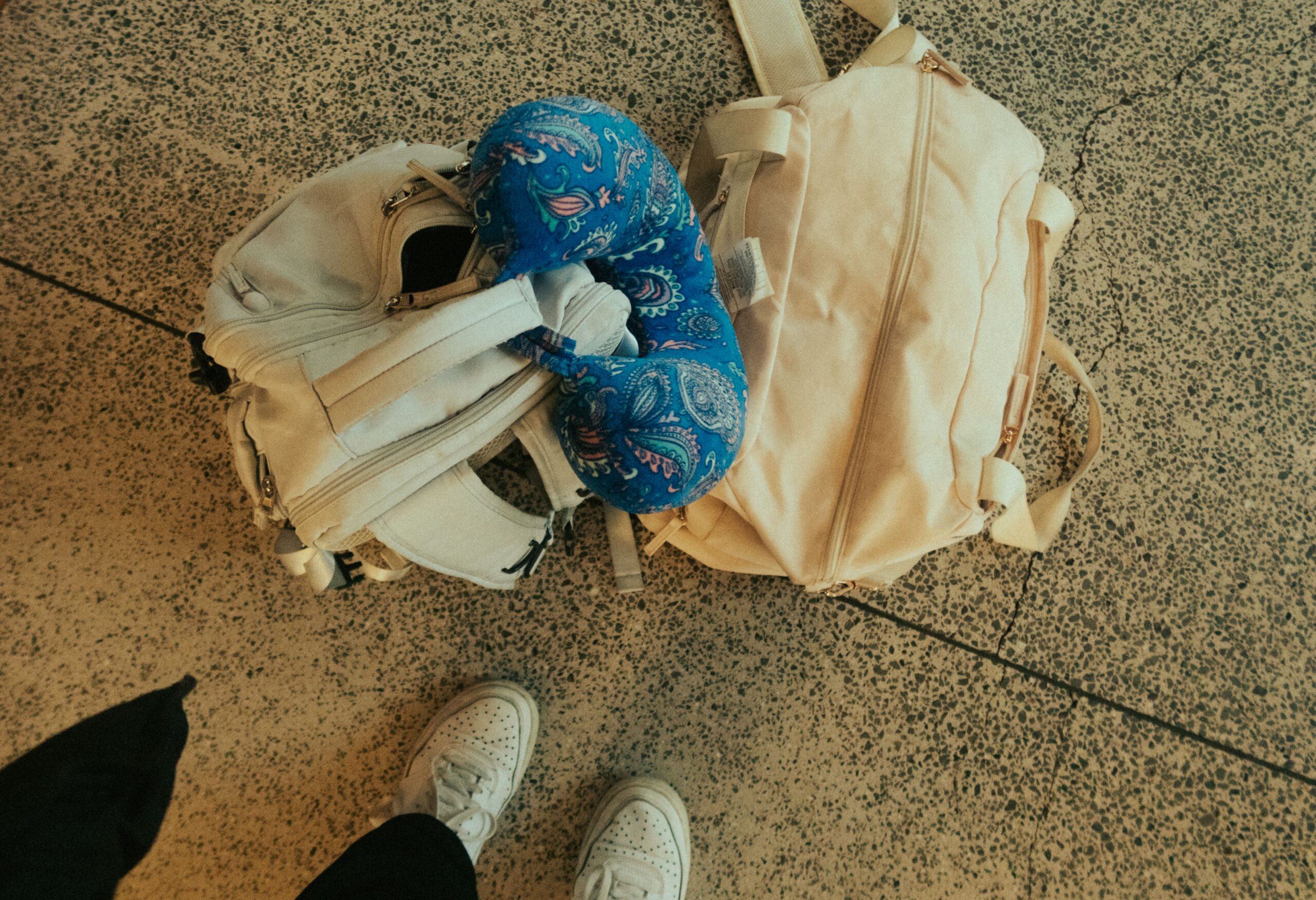
Travel pillow, eye mask & earplugs
This trio is the cheapest upgrade to the sleep quality of long-haul or overnight buses you can buy. An inflatable pillow packs to almost nothing compared to a memory-foam one.
Compression socks
Genuinely reduces swelling and fatigue on long flights, worth it for any Bali or Tokyo leg over 6 hours. Put them on before takeoff, not mid-flight, for the full benefit.
Filtered water bottle
A bottle with a built-in filter cuts plastic bottle waste and the cost of buying water all trip, especially useful in Chiang Mai or Hoi An, where tap water isn’t drinkable. Collapsible bottles save pack space on the flight.
Refillable toiletry bottles
Sized under 100ml for carry-on compliance, and far cheaper over a year than buying travel-size versions of everything. Label them sunscreen and conditioner look identical in matching bottles at 6am.
Clothing Systems
Less about individual items, more about building a wardrobe that works across a Tokyo winter and a Bali afternoon without doubling your bag weight.
- Layer instead of packing bulky single-purpose pieces, a base layer, a mid layer, and a packable shell covers more climates than three jumpers.
- Quick-dry fabrics handle SE Asia humidity and let you wash and re-wear instead of packing ten outfits.
- One pair of shoes that works for walking and light hiking beats three single-purpose pairs taking up bag space.
- Pack one “smart” outfit for any nicer dinner or event, easy to forget, awkward to be without.
- Roll clothes inside packing cubes rather than folding them loose; it’s the single biggest space saver in any bag.
- Check the weather for both ends of the trip separately, Tokyo in July and a Mudgee night can need very different clothes within the same week.
The TripCove Packing Method
The same five steps shown in our Instagram packing reels repeat this every trip, and packing stops being a decision you have to make from scratch.
Step 1: Lay it all out first
Everything on the bed before anything goes in the bag it’s the only way to actually see what you’re packing and catch anything obvious before it’s buried in a cube.
Step 2: Heavy at the base
Shoes and toiletries go in first, near the wheels or spine, so the bag carries comfortably and doesn’t tip once it’s full.
Step 3: Roll, cube, compress
Roll clothing into packing cubes by category. It saves space and keeps the bag organised on arrival, not just on departure.
Step 4: Keep a grab bag
Documents, charger, medication and anything you’d need without unpacking go in one easy-access pocket, not buried at the bottom.
Step 5: Weigh before you zip
A $15 luggage scale avoids a $100+ excess baggage surprise at check-in especially on budget SE Asia carriers that enforce 7kg carry-on limits.
Packing Mistakes Worth Avoiding
Packing “just in case” shoes
Shoes are the heaviest, bulkiest items in most bags. Two pairs that each do two jobs beat four single-purpose pairs.
No backup of key documents
A cloud copy of your passport, insurance, and bookings takes two minutes and saves a genuine crisis if the originals go missing.
Valuables in checked luggage
Cameras, cash, and electronics should stay in your carry-on — checked bags are handled by more hands than you’ll ever see.
Ignoring weight limits
Budget carriers across SE Asia often cap carry-on at 7kg, well under what you’d assume — weigh your bag at home first.
Buying gear the night before
Untested gear fails at the worst time. Wear the shoes, charge the power bank, and test the adapter before you fly, not after.
One big bag, no small one
Without a packable daypack, every market stop or day trip means lugging your entire carry-on around with you.
The Quick Pre-Flight Checklist
Five categories, the essentials only. Use 5 separate List blocks (one per category), or one list with the category as a bold heading item.
Bags
- Carry-on backpack
- Packing cubes
- Packable daypack
- Dry bag
Tech
- Power bank (charged)
- Universal adapter
- eSIM activated
- Cables, organised
Security
- RFID wallet
- Luggage lock
- Document folio
- Insurance confirmed
Comfort
- Sleep kit (pillow, eye mask, earplugs)
- Compression socks
- Filtered bottle
- Toiletries (under 100ml each)
Frequently Asked Questions
What’s the best carry-on size for budget SE Asia and domestic Australian flights?
Most budget carriers cap carry-on at 7kg and around 54×38×20cm, well under standard international allowances. Check the specific airline before buying a bag, and aim for one that comfortably sits under both limits rather than maxing out a larger international allowance.
Do I really need an eSIM for Bali or Tokyo?
Not essential, but it removes one of the most stressful first hours of a triplanding with maps, translation and messaging already working beats queuing at an airport SIM kiosk after a long flight.
Is travel insurance worth it for short domestic trips like Mudgee or Bermagui?
Worth checking even for short domestic trips, particularly if you’re booking activities like wine tours, hikes or water sports, cancellation and gear cover can apply even close to home.
What’s the one-bag rule, and is it realistic?
Packing everything into a single carry-on-sized bag for trips under two weeks. It’s realistic with a layering wardrobe and packing cubes, and it removes checked baggage fees and lost luggage risk entirely.
How do I stop cables and chargers from turning into a tangled mess?
A small organiser pouch with elastic loops for each cable, kept in the same spot in your bag every trip, solves this issue permanently. The issue is usually loose cables bouncing around together, not too many of them.
See it packed, not just listed
Our Instagram reels show this gear and method in action, trip by trip. Follow along before your next one.
[ “Watch on Instagram” — link: https://www.instagram.com/tripcove.com.au/]